
NDIS positive behaviour support in Sydney
Practical behaviour support for NDIS participants of any age. We find out why a behaviour happens and help everyone respond.
What NDIS positive behaviour support is

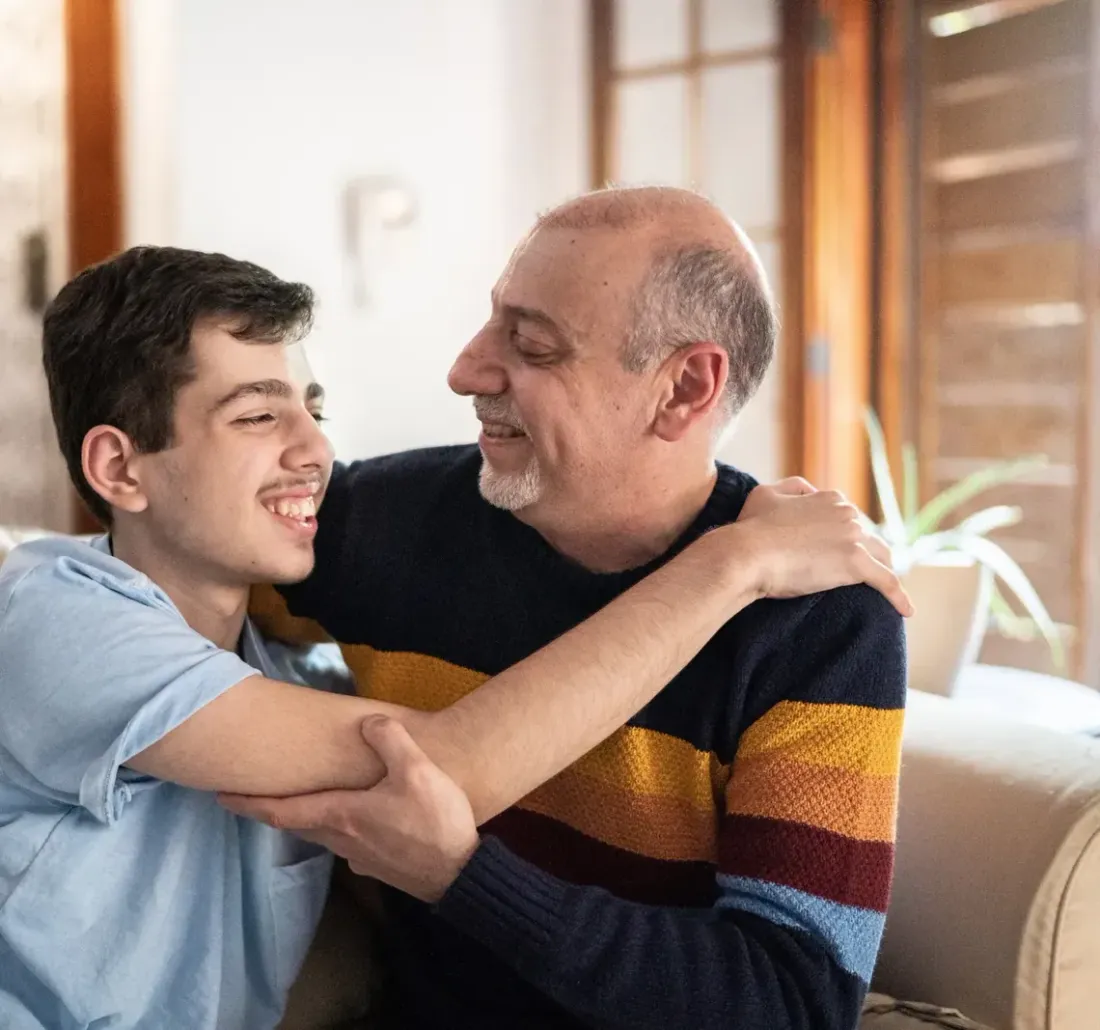
NDIS positive behaviour support works out why a behaviour of concern happens. A practitioner looks at the person's life and routine, then writes a plan that builds skills.
My Behaviour Support is a registered NDIS provider for behaviour support. If you have been looking for a behaviour therapist, this is the NDIS support to ask about.
Our 5 positive behaviour support services
Each service covers one part of the work, from first assessment to regular review. Your practitioner explains which ones suit the person's NDIS plan.
Make a Referral
Who we work with across Sydney
We support people of all ages, from young children to older adults. We visit homes, schools, workplaces and senior living facilities across South West and Western Sydney.
Many live with autism, ADHD, intellectual disability, acquired brain injury or a mental health condition, and some with complex trauma. We work with their families, carers and support teams too.
Our practitioners bring backgrounds in psychology, social work, nursing and teaching. You can read about each one before you refer.
The practitioners who deliver your behaviour support





Looking for a behaviour therapist through the NDIS?

Many families search for a behaviour therapist or behaviour therapy. Under the NDIS, the same help is called positive behaviour support.
The NDIS name for the person who does this work is a behaviour support practitioner. The NDIS Commission must find them suitable before they write a plan.
When you compare providers, ask if the person writing your plan has been found suitable. It is also fair to ask who supervises them.
What happens after you make a referral
The NDIS Commission sets the timeframes for plans. Here is what usually happens once you refer to us.
See our 6-step behaviour support process →-
You make a referral
Send the referral form or call us. We talk through the person's needs, NDIS plan and goals with you.
-
We complete a Functional Behaviour Assessment
Your practitioner observes the person at home, school or in the community. They work out why a behaviour of concern happens.
-
An interim plan, if needed
Restrictive practices are only ever a last resort. If one is in use, NDIS Commission rules require an interim plan within 1 month.
-
We write a comprehensive Behaviour Support Plan
Under the same rules, a comprehensive plan follows within 6 months. It builds skills and aims to reduce restrictive practices over time.
-
We train the people around the person
We show families, carers, schools and support staff how to use the plan with calm and confidence.
-
We review and update the plan
Plans with restrictive practices must be reviewed at least every 12 months. We also review sooner when needs change.
How the NDIS rules on restrictive practices work

Restrictive practices are only ever a last resort, with a goal to reduce them over time. The NDIS Commission regulates 5 types.
Under NDIS Commission rules, unauthorised use is a reportable incident. Providers must report it within 5 business days.
The 5 regulated restrictive practices
- Seclusion
- Chemical restraint
- Mechanical restraint
- Physical restraint
- Environmental restraint
What NDIS positive behaviour support costs and who pays
- per hour, in line with NDIS pricing
- $252.99
- reduced rate for travel
- 50%
- charged for kilometres
- $0
NDIS positive behaviour support is paid from the Capacity Building part of a plan. Older plans list it under Improved Relationships, and PACE plans list it as Behaviour Support.
This budget can pay for the assessment, the plan, training and reviews. Your plan manager or support coordinator can confirm what your plan includes.
We work with NDIA-managed, plan-managed and self-managed participants. How a plan is managed changes who handles the invoice, and the price stays the same.
Read our NDIS behaviour support cost guideThe 5 aims behind every plan
Each plan is shaped by the person's own goals and works towards these 5 aims.
Build more independence
Practising everyday skills so the person can do more for themselves, with confidence.
Improve wellbeing and quality of life
Working on emotional, social and communication skills that help the person enjoy daily life.
Work to reduce behaviours of concern
Using strategies that plan ahead and put safety and dignity first. Restrictive practices are a last resort.
Strengthen support networks
Training families, carers, schools and support staff to respond calmly and with confidence.
Create safe, positive environments
Shaping spaces at home, at school and in the community where the person feels understood.
Questions about NDIS positive behaviour support

01. Do I need a registered NDIS provider for behaviour support?
02. What assessments do you use?
03. How much does NDIS positive behaviour support cost?
04. How often are behaviour support sessions held?
05. Do you provide reports for the NDIS?
Make a referral for NDIS behaviour support
Send us a few details through our referral form. Our team will call you to talk through the next steps.